10 Signs a Law Firm Needs an Answering Service
The strongest signs a law firm needs an answering service appear in its own phone, intake, scheduling, staffing, and follow-up data. They are recurring failures that prevent callers from receiving the approved next step—not a vendor’s generic missed-call statistic.
Scope note: This is a diagnostic and pilot framework for U.S. solo, small, and midsize firms. It does not mean every firm should remove employees, outsource every call, or automate legal judgment.
The bands above are an editorial planning aid, not an industry benchmark or guarantee. A single serious failure may matter more than several low-impact ones.
Confirm the Signs a Law Firm Needs an Answering Service
Begin with at least a representative period of call logs, voicemail, intake records, consultation calendars, campaign sources, transfer outcomes, staffing schedules, and follow-up tasks. Segment by hour, day, practice area, caller type, language, office, source, and outcome. A single busy Monday is not a reliable annual picture, and aggregate data can hide a serious after-hours or practice-area problem.
Define the current front door before buying technology. Who answers during business hours? What happens on no-answer, overflow, weekends, holidays, and outages? Which questions are approved? Who can accept a warm transfer? Which calendar and system records are authoritative? What does the caller hear when nobody is available? A service can only improve a process that the firm can describe and test.
How TeleWizard Addresses the Signs a Law Firm Needs an Answering Service
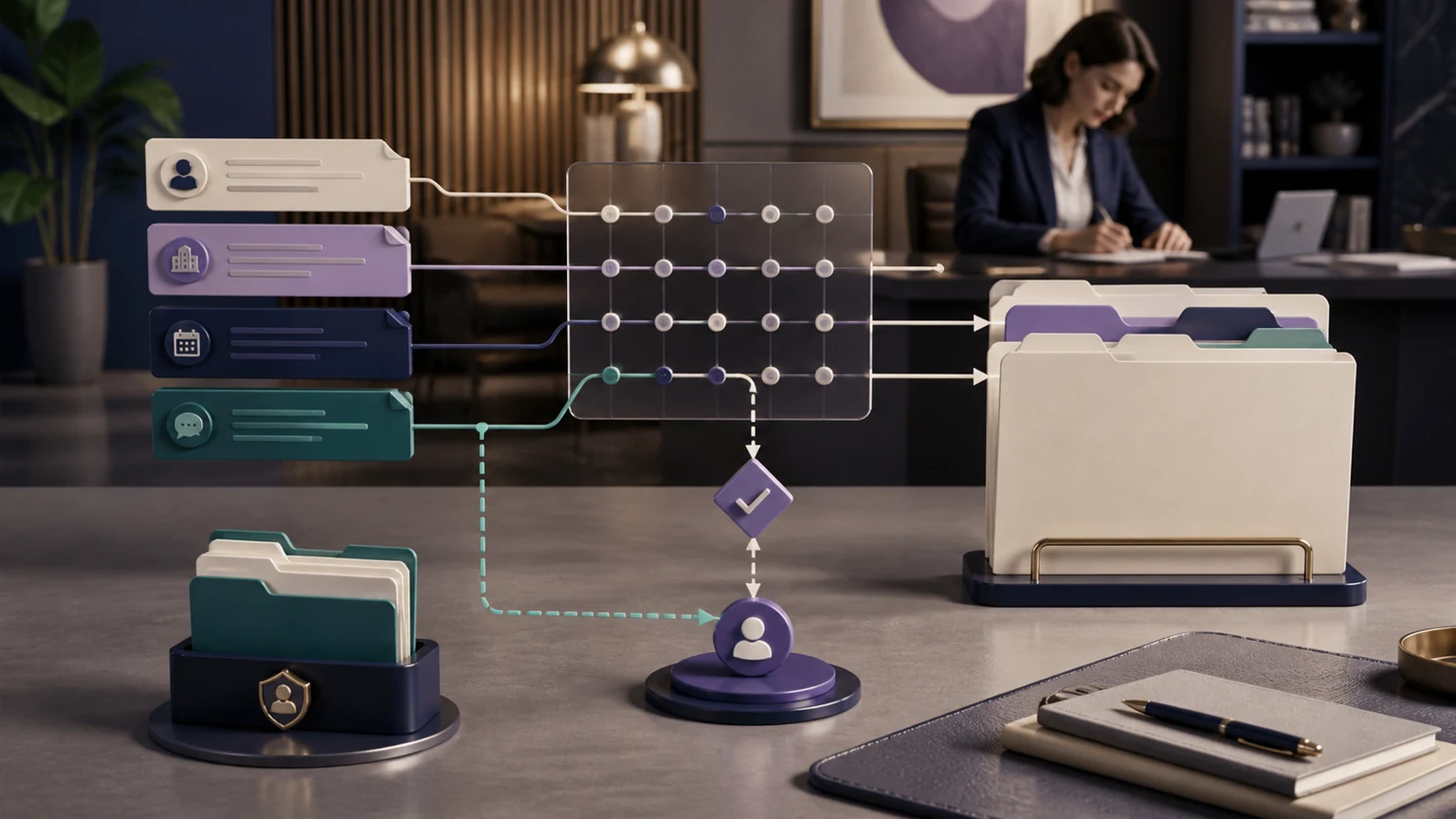
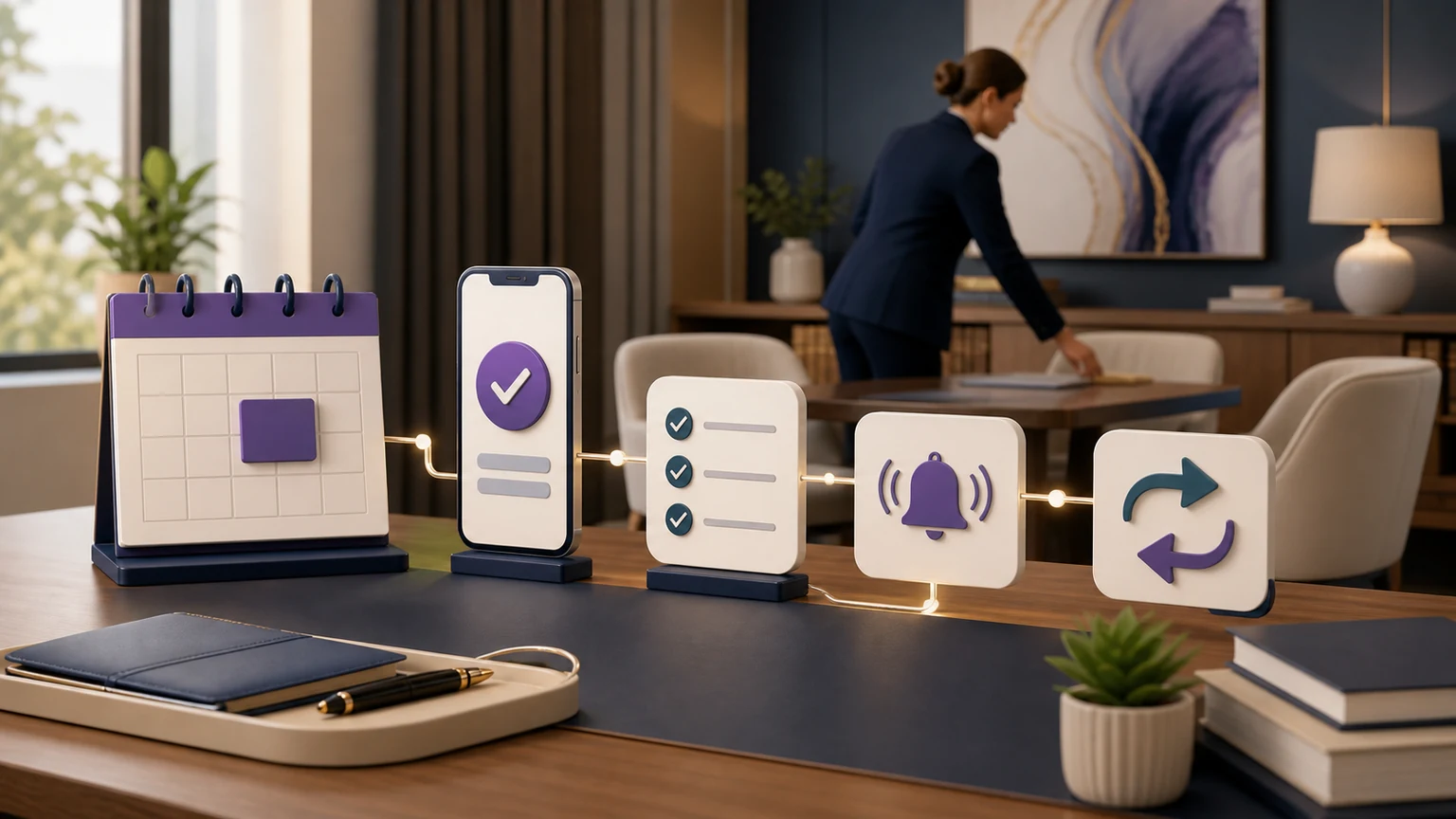
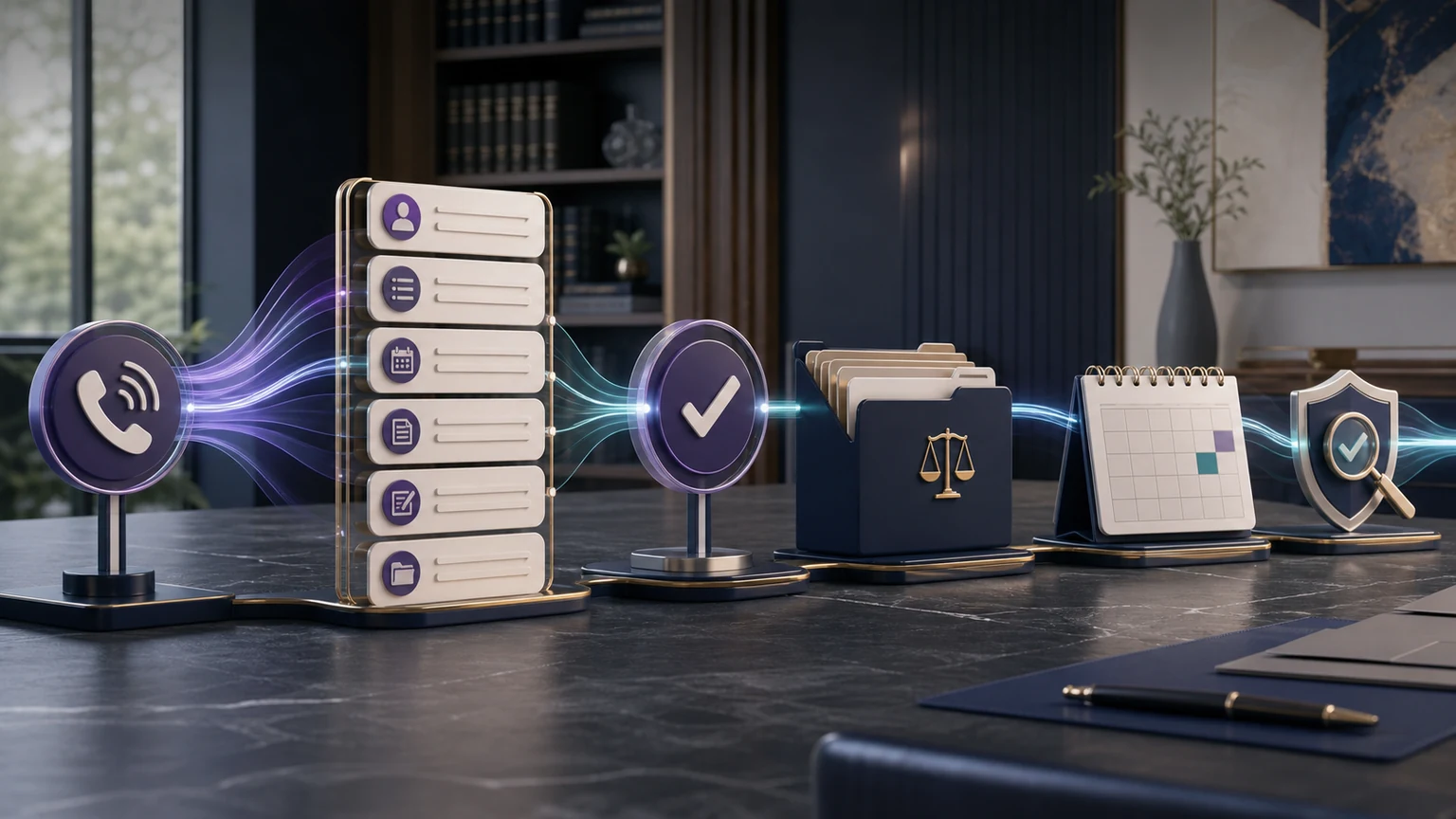
The ten signs do not call for ten unrelated tools. They usually point to one broken chain: a caller reaches the firm, but the answering layer cannot consistently complete the approved intake stage, trigger the right connected action, or leave the work with an accountable owner. TeleWizard is designed as a managed service around that full chain. The team discovers the firm’s requirements, configures the agent and integrations, tests real scenarios, launches the approved scope, and supports ongoing changes. Self-service options may be available, but managed implementation is the distinguishing fit for firms that do not want to assemble and supervise every component alone.
The right starting scope depends on the evidence. A firm with weekend voicemail may begin with after-hours coverage. A firm with inaccurate CRM records may begin with one intake-and-writeback path. A firm with multilingual demand may begin with two tested languages and a fallback. Expanding only after the first workflow is stable makes the evaluation easier to interpret.
1. After-Hours Inquiries Wait Until the Next Workday
Review calls and messages outside staffed hours. Count how many receive a same-interaction next step, how many enter voicemail, when the first attempt occurs, whether the caller is reached, and whether approved intake or booking is completed. Do not assume every evening caller is valuable or that every delayed caller disappears. The evidence is the difference between the firm’s stated service model and actual outcomes.
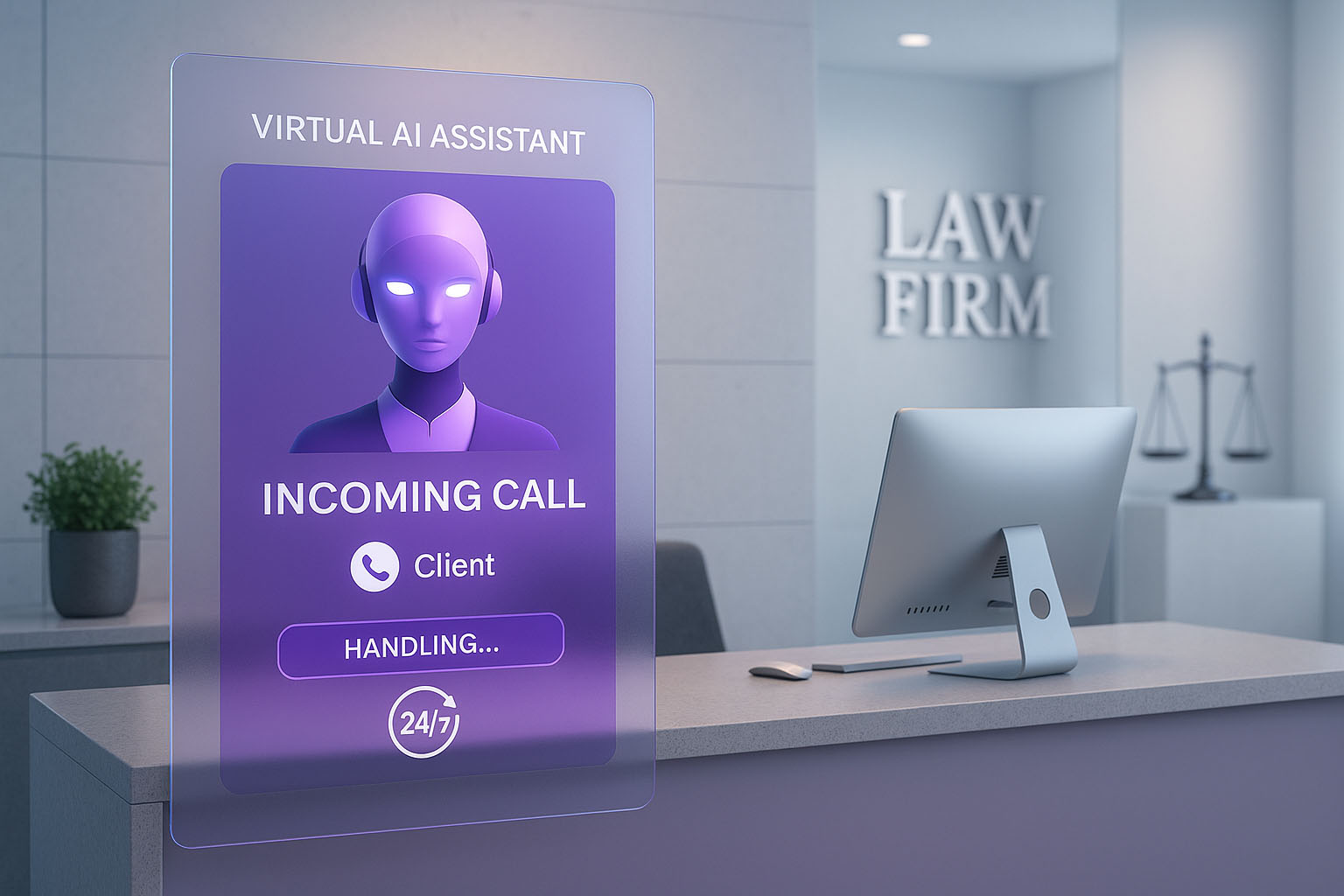
TeleWizard can provide configured 24/7 answering, run approved intake, offer eligible scheduling, create connected tasks or records, and attempt designated escalation. Nights and weekends still require accurate expectations. If no lawyer is available, the workflow should say what was recorded and what the firm can do next—not promise immediate attorney contact.
The after-hours answering guide covers that operating window in depth. This diagnostic uses after-hours delay as one signal among ten.
2. Peak Demand Produces Holds, Abandonment, or Voicemail
Lunch periods, campaign launches, weather events, court calendars, staff meetings, and seasonal demand can create a queue even when average staffing looks sufficient. Track concurrent arrivals, wait time, abandonment, repeat dialing, voicemail entry, and whether the eventual record is usable. Separate new inquiries from existing clients, vendors, spam, and other calls before estimating impact.
TeleWizard can support concurrent conversations subject to plan, deployment, carrier, integration, and capacity constraints. The goal is not an absolute promise that every conceivable call will be answered. It is to design overflow rules that respond, collect the approved minimum, and complete or visibly assign the next action instead of allowing a long silent queue.
If wait and queue behavior is the primary problem, use the separate hold-time guide rather than expanding this checklist into a second cost article.
3. Intake Records Are Frequently Incomplete or Inconsistent
Audit a sample of new-inquiry records. Are contact details usable? Are matter type, jurisdiction, caller-stated dates, safe-contact preference, opposing-party names when approved, and consultation outcome recorded consistently? Are missing or declined answers visible, or does staff infer values later? Inconsistency creates callbacks, rework, poor routing, and unreliable reporting.
TeleWizard’s managed implementation can translate the firm’s approved intake into a consistent conversation and data map. It should not collect everything. ABA Model Rule 1.18 and Comment [4] support careful treatment of prospective-client information and limiting initial consultation to what is reasonably necessary. The firm and its counsel define the actual fields and jurisdictional rules.
4. Staff Re-enter the Same Information Across Systems
Follow one inquiry from phone to intake record, calendar, task list, email, and attorney handoff. Count manual re-entry, copying, duplicate contacts, corrections, and time spent searching for the latest version. Repetition may indicate that the answering layer and the system of record are disconnected.
TeleWizard supports connected workflows involving Clio, Lawmatics, Acuity Scheduling, Google Calendar, Outlook, and other configured systems. Its Clio integration can support full intake, contact creation or updates, notes on contacts or matters, call logging, scheduling, warm transfers, and tasks. Exact objects, permissions, and failure behavior must be mapped and tested.
A logo is not proof of a complete integration. Confirm every field, deduplication rule, authorization, acknowledgment, retry, and fallback. If the connected system is unavailable, the workflow should preserve the minimum approved record and alert an owner rather than silently claim success.
5. Consultation Scheduling Creates Repeated Back-and-Forth
Measure how many contacts are needed between an eligible inquiry and a confirmed consultation, how often availability is stale, how many bookings require correction, and who owns unconfirmed requests. A scheduling link alone may not solve the issue if eligibility rules, attorney calendars, time zones, appointment types, buffers, or confirmation steps are unclear.
TeleWizard can check configured availability and book under approved rules. The caller should hear the actual system result: requested, held, or confirmed. Do not announce a booking when the calendar did not acknowledge it. Define what happens when no suitable slot exists, the caller needs an accommodation, or the intake is not eligible for direct scheduling.
TeleWizard can combine approved intake, connected writeback, consultation rules, transfer logic, and managed testing instead of adding another isolated answering layer.
6. Multilingual Demand Exceeds the Team’s Coverage
Review caller language requests, incomplete interactions, transfers, callbacks, and outcomes. A language gap may be visible as repeated contact, early abandonment, incorrect names or dates, or dependence on an unavailable staff member. Avoid guessing demand from demographics alone; use the firm’s call and intake data.
TeleWizard supports 50+ languages. Phone language is typically fixed once selected for a call, so the firm needs a defined fallback if a different language becomes necessary. Test names, legal terminology, dates, disclosures, intake questions, transfer introductions, and system records in every offered language. Enabled messaging may switch languages more flexibly, but channel functionality, consent, retention, and costs depend on configuration.
7. Urgent or Sensitive Calls Lack a Tested Escalation Path
A sticky note saying “call the attorney” is not an escalation design. The firm needs approved triggers, covered hours, caller types, destinations, warm or blind transfer rules, maximum attempts, failed-transfer behavior, caller-facing wording, and an owner for anything unacknowledged. Existing-client verification and third-party disclosure rules also matter.
TeleWizard can attempt firm-designated human escalation and carry configured context into a warm transfer. It cannot guarantee that a recipient answers. For a U.S. situation requiring immediate police, fire-department, or ambulance assistance, the appropriate direction is 911. TeleWizard is not emergency dispatch or legal advice.
The urgent-call handling playbook and human escalation guide provide the detailed controls.
8. Marketing Generates More Calls Than the Firm Can Process
Compare campaign call volume with answered calls, completed intakes, eligible consultations, confirmed bookings, show rates, signed matters, and final dispositions. If spend increases while the intake queue grows, adding more traffic may amplify a capacity problem. Do not treat every call as a lead or every lead as a qualified opportunity.
TeleWizard can add configured reception and intake capacity without requiring the firm to staff every peak permanently. It can preserve campaign or source information when the phone and system workflow provide it. The firm should still verify attribution and use its own economics. TeleWizard does not guarantee conversion, case volume, revenue, or return on advertising.
9. Managers Cannot Explain Where Intake Fails
If the only report is call count or duration, the firm cannot distinguish answered but incomplete conversations from completed intakes, confirmed bookings, successful transfers, or closed follow-up. Define outcome categories and connect them to the phone event and system record.
TeleWizard’s AI Supervisor can help surface objections, policy deviations, missing information, missed bookings, caller friction, failed actions, and follow-up gaps for human review. An automated label is a prompt to inspect the underlying interaction—not proof of caller intent, compliance, staff performance, or business impact.
Use the intake metrics scorecard to define denominators and a 30-day measurement plan.
10. Reception Cost Rises Without Better Intake Outcomes
Compare the total current operation: wages, benefits, recruiting, training, management, equipment, software, outsourcing, after-hours coverage, overtime, absences, data entry, callbacks, quality review, and unresolved work. Then divide by a meaningful output such as usable completed intake—not raw call count alone.
Rising cost is only a signal when service quality and outcomes are also measured. A less expensive process that creates inaccurate records or unsafe expectations is not a good trade. A higher-cost human team may also provide valuable in-office, relational, administrative, or legal-support work outside TeleWizard’s configured scope.
For a deeper analysis, use the dedicated reception-cost mechanisms guide and law-firm pricing and ROI model.
Turn the Diagnosis into a Controlled 30-Day Pilot
Select the narrowest high-impact gap: after-hours calls, overflow, one practice area, one marketing line, or one intake-to-booking workflow. Establish the baseline using fixed definitions. Approve the knowledge, questions, disclosures, languages, system fields, transfer recipients, scheduling rules, fallbacks, retention, and change process.
| Period | Work | Evidence required |
|---|---|---|
| Days 1–7 | Map current calls, owners, systems, failure paths, and service boundaries | Baseline by hour, caller type, practice area, outcome, and staff effort |
| Days 8–14 | Configure TeleWizard and test ordinary, peak, uncertain, multilingual, and failure scenarios | Approved scripts, field map, action acknowledgments, and corrections |
| Days 15–21 | Launch a limited route with live monitoring and existing fallback | Answered interactions, completed intake, bookings, transfers, writeback, open items |
| Days 22–30 | Compare with baseline, review calls, correct friction, and decide on scope | Quality, staff impact, total cost, caller feedback, and unresolved risks |
Success should be stated in the firm’s own terms. For example: more usable intakes during the covered window, fewer unresolved messages, accurate connected actions, clearer ownership, and acceptable cost. The pilot should also reveal where a person remains the better path.
Match the Service Model to Solo, Small, and Midsize Firms
A solo lawyer may need protection from interruption during court, consultations, focused work, evenings, and leave. The workflow can gather a minimum intake, offer eligible appointments, distinguish existing clients, and create a priority task without promising that the attorney is immediately available. The most important controls are usually a realistic calendar, a clear emergency boundary, a short fallback chain, and a review habit the solo lawyer can sustain.
A small firm often needs practice-area branching, shared ownership, language coverage, campaign attribution, and consistent handoffs among attorneys and staff. TeleWizard can extend the team’s capacity while employees retain sensitive calls, office work, exceptions, and relationship-heavy follow-up. The firm should prevent multiple people from assuming someone else owns a task.
A midsize firm may require office- and practice-specific routes, multiple calendars, role-based system permissions, regional schedules, higher concurrent demand, reporting segments, formal change approval, and sampled quality review. It should confirm plan and deployment constraints rather than assume unlimited capacity. Across every size, the important question is not whether AI can answer a demo call; it is whether the configured operation produces accurate, acknowledged, governed outcomes under normal and failure conditions.
When the signs a law firm needs an answering service appear across several teams or coverage windows, a shared managed platform can create consistency. The firm should still preserve local exceptions and a human path where judgment, sensitivity, accessibility, or unusual circumstances require it.
Price the Service Against the Whole Front Door
TeleWizard costs less than hiring a dedicated full-time receptionist while delivering broader 24/7 coverage. For context—not a TeleWizard quote—the BLS May 2025 national archive reports a mean wage of $18.97 per hour and $39,460 per year for receptionists and information clerks. That occupation-wide figure is not specific to law offices and excludes the firm’s actual benefits, payroll burden, recruitment, equipment, management, absence coverage, and separate night or weekend staffing.
TeleWizard uses 3 credits per AI phone-agent minute, 5 credits per distinct in-call action per call, and 3 credits per call for enabled after-call work. Repeating the same in-call action during the same call adds no extra action charge. Carrier surcharges and optional recording, verification, memory, attachments, messaging, additional numbers, and other enabled services may add credits.
TeleWizard uses tailored pricing, so confirm call volume, covered countries, languages, channels, integrations, implementation, support, availability expectations, included credits, optional services, and overage treatment in writing. Do not invent a dollar-per-credit value. Compare the quote with a like-for-like configured workflow and the fully loaded current operation.
Use the Right Guide for the Buying Stage
Answering-Service Diagnostic FAQs
How many signs mean a law firm definitely needs a service?
No universal count proves that. Use frequency, severity, affected caller types, staff impact, and measurable outcomes. One serious after-hours or escalation failure may justify a pilot even if the other signs are absent.
Should TeleWizard replace the firm’s receptionist?
Not necessarily. TeleWizard can cover after-hours, overflow, routine intake, scheduling, and connected actions while employees handle sensitive conversations, office work, exceptions, and legal-team coordination. The right model may be hybrid.
Can TeleWizard perform complete legal intake?
Yes, it can run the firm-approved intake stage, preserve missing answers, schedule when permitted, update connected systems, and route under configured rules. Lawyers retain conflicts, merits, eligibility, advice, engagement, and representation decisions.
Does TeleWizard support multiple languages?
TeleWizard supports 50+ languages. Phone language is typically fixed once selected for a call, so test each offered language and define a fallback if another language is needed.
How should a firm compare vendors?
Compare intake depth, customization model, systems and exact actions, languages, channels, transfer and failure handling, testing, oversight, service support, total configured price, and evidence from your own pilot. Avoid headline feature counts without workflow proof.
What should stop a rollout?
Pause or narrow the rollout if identity handling, approved disclosures, data minimization, field mapping, action acknowledgments, escalation, caller expectations, access, retention, or staff ownership cannot be validated.
Bring your call volume, coverage windows, practice areas, intake fields, languages, integrations, transfer paths, and current costs to a firm-specific scope and quote.
Official Sources
TeleWizard main website: 24/7 legal answering; AI legal virtual receptionist; Clio integration; Lawmatics integration; FAQs; and pricing.
Independent official sources: Clio App Directory; ABA Model Rule 1.18 and Comment [4]; 911.gov; and the BLS May 2025 occupational-wage archive.